
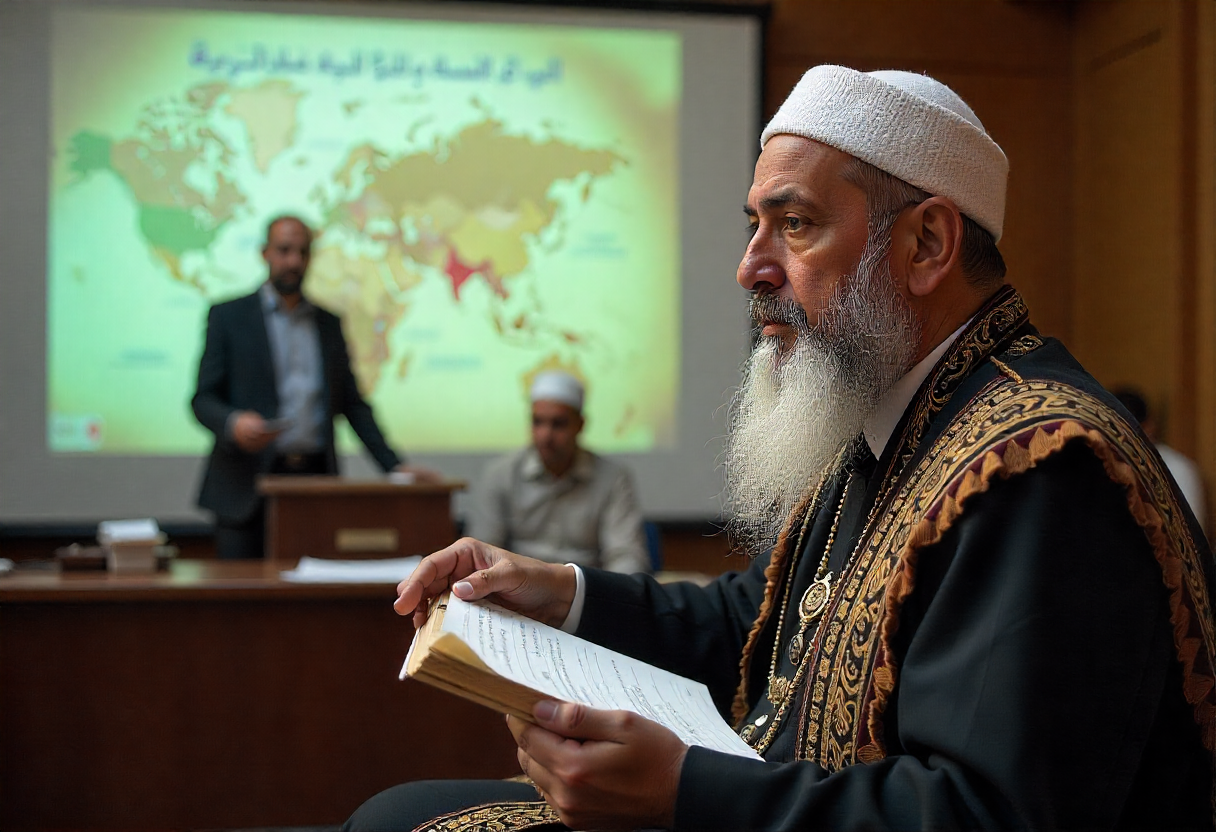
Islam presents a dream of humanity beached in justice, sympathy, and dignity. These timeless values have directed millions across generations. In a world that frequently struggles with fairness and admiration, sympathetic what does Islam teach about human rights offers new hope. The Quran says directly to the heart, education that all people are shaped equal before God. It repeats us that faith without empathy cannot exist, and power without fairness loses meaning.
The Quran calls on supporters to protect the weak, protect truth, and respect every soul. These teachings inspire balance between rights and errands. In the modern world, such guidance is together relevant and stimulating. Islam’s moral basis emphasizes empathy, justice, and shared humanity.
The Prophet Muhammad (peace be upon him) showed finished his actions how justice must start within our hearts. He preserved everyone with kindness, irrespective of status or contextual. The Quran and Humankind Book beautifully exemplifies these teachings, serving readers connect mystical insight with real-world morals. When we explore these standards deeply, we determine that Islam’s message on human rights leftovers as vital today as it was centuries ago.
The Quran’s Universal Vision of Equality
Equality procedures the very essence of the Quran’s message. It does not gulf humanity by race, prosperity, or gender. Instead, it marries everyone under a shared drive—to live with honor and virtue. The Quran declares that the most noble amongst humans are those most aware of God, not those with social benefit.
This principle of excellence changes how people view one additional. It builds bridges instead of fences. Through this lens, justice becomes a communal duty, not a treat for a few. In today’s diverse civilizations, these teachings inspire agreement. They remind us that justice should never depend on source, color, or belief.
The Quran and Humankind Book reproduces this same spirit. It demonstrations how divine expose uplifts humanity by eliminating acumen and inequality. By working these principles, modern societies can breeding respect and collaboration. The Quran’s timeless call to equality endures to guide hearts that seek truth and justice in every generation.
Human Dignity as a Divine Right
Every person merits dignity. This belief attitudes at the center of Islamic supposed. From birth, each human carry holy worth. The Quran confirms that God honored all children of Adam, yielding them moral and mystical significance.
Such recognition makes the foundation for all human rights. When public respect this heavenly gift, civilizations flourish. When it’s overlooked, injustice takes root. In Islam, dignity does not be contingent on wealth, fame, or arrival. It is part of one’s essence.
Modern discussions about human rights often supervise spiritual roots. Yet, the Quran blends both. It teaches that mystical awareness fuels compassion, and sympathy sustains justice. The Prophet’s instance of mercy and respect for all reproduces this harmony perfectly.
The Quran and Humankind Book invites booklovers to rediscover that equilibrium. It reminds us that self-respect is not granted by governments or laws but avowed by divine truth. Defensive dignity therefore develops an act of faith.
Conclusion
At its heart, Islam proposals a blueprint for concord and dignity. Its guidance exceeds centuries, repeating us that every human life transmits sacred value. Sympathetic what does Islam teach about human rights helps contemporary societies rewire with truth and compassion.
The Quran’s vision leftovers deeply human. It authorizes people to act with fairness, mercy, and equality. It imparts that faith is not whole without fairness, and information means little without empathy. These timeless educations offer strength in a divided world.
The Quran and Humankind Book lasts this message, linking divine understanding with real-world human rights debates. It shows how ancient values can solve modern trials when applied with genuineness.
As we embrace these wisdoms, we move closer to a world of fairness and kindness. Islam reminds us that human rights are not freedoms—they are divine faiths. Protecting them honors both God and humankind. By following these values, humankind can rise outside differences and revive the unity it was always destined to share.


